How Salmon Shape Life in Southeast Alaska:
The Fish That Connects an Entire Ecosystem
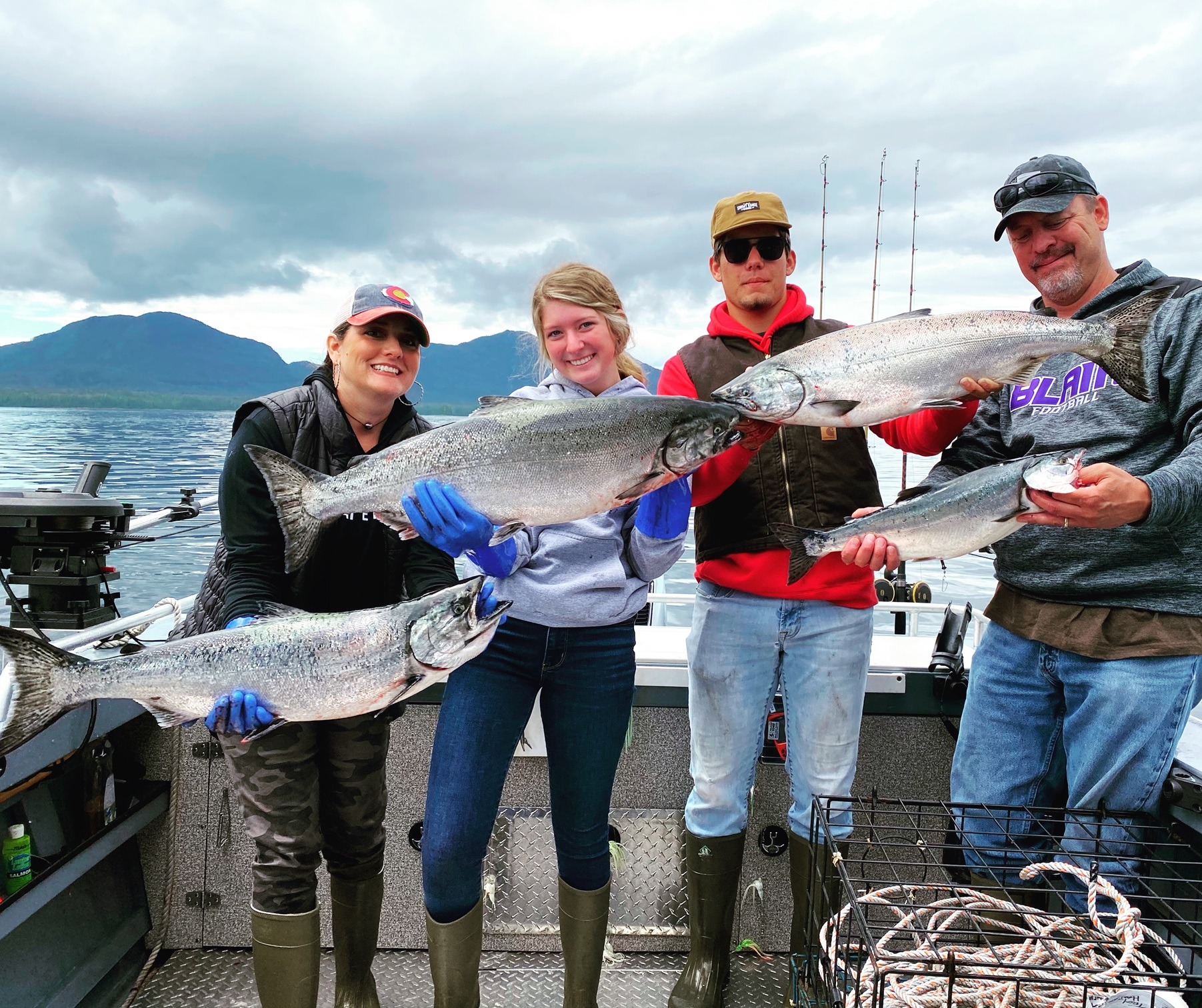
When most people think of salmon, they think about fishing.
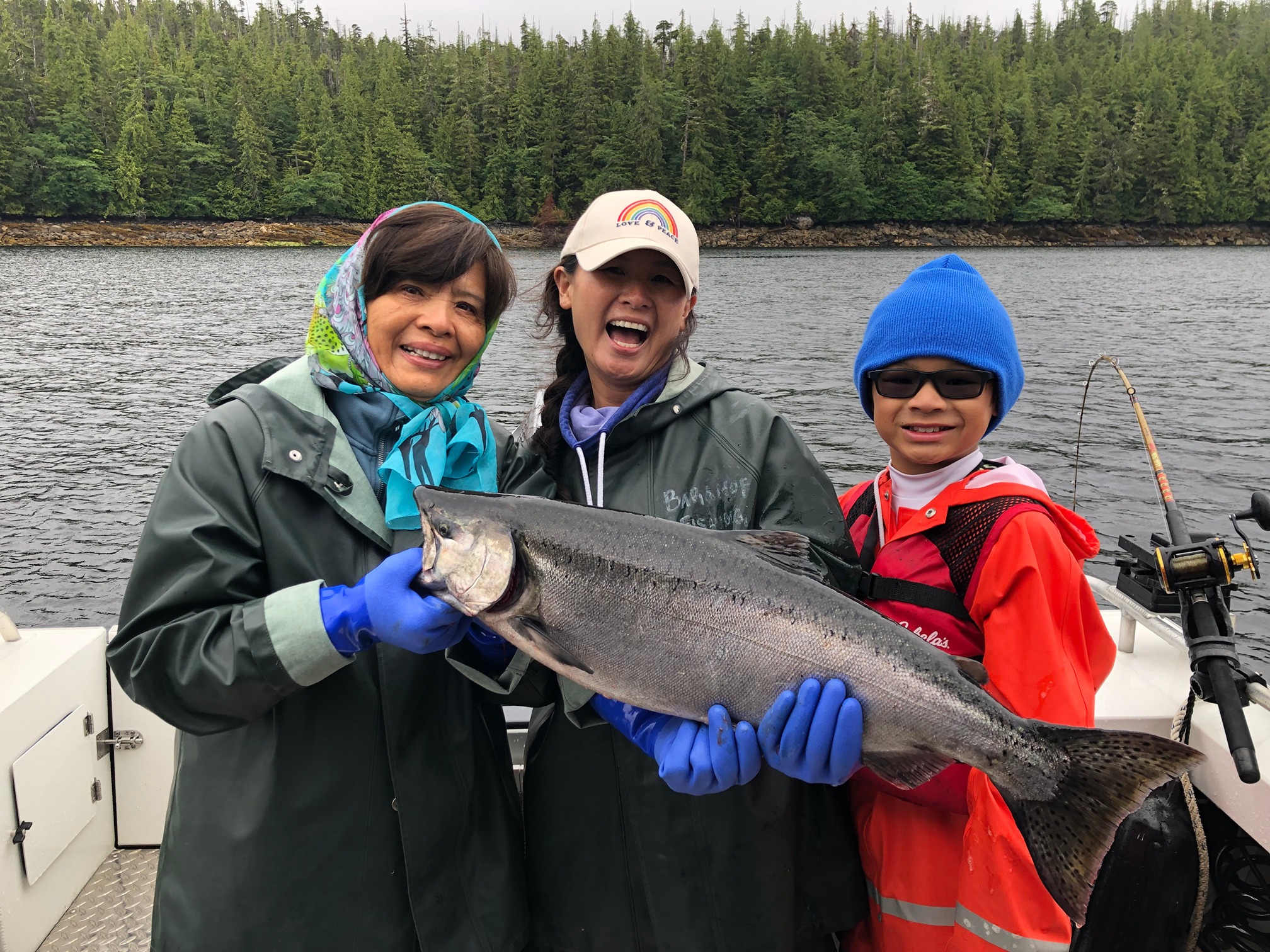
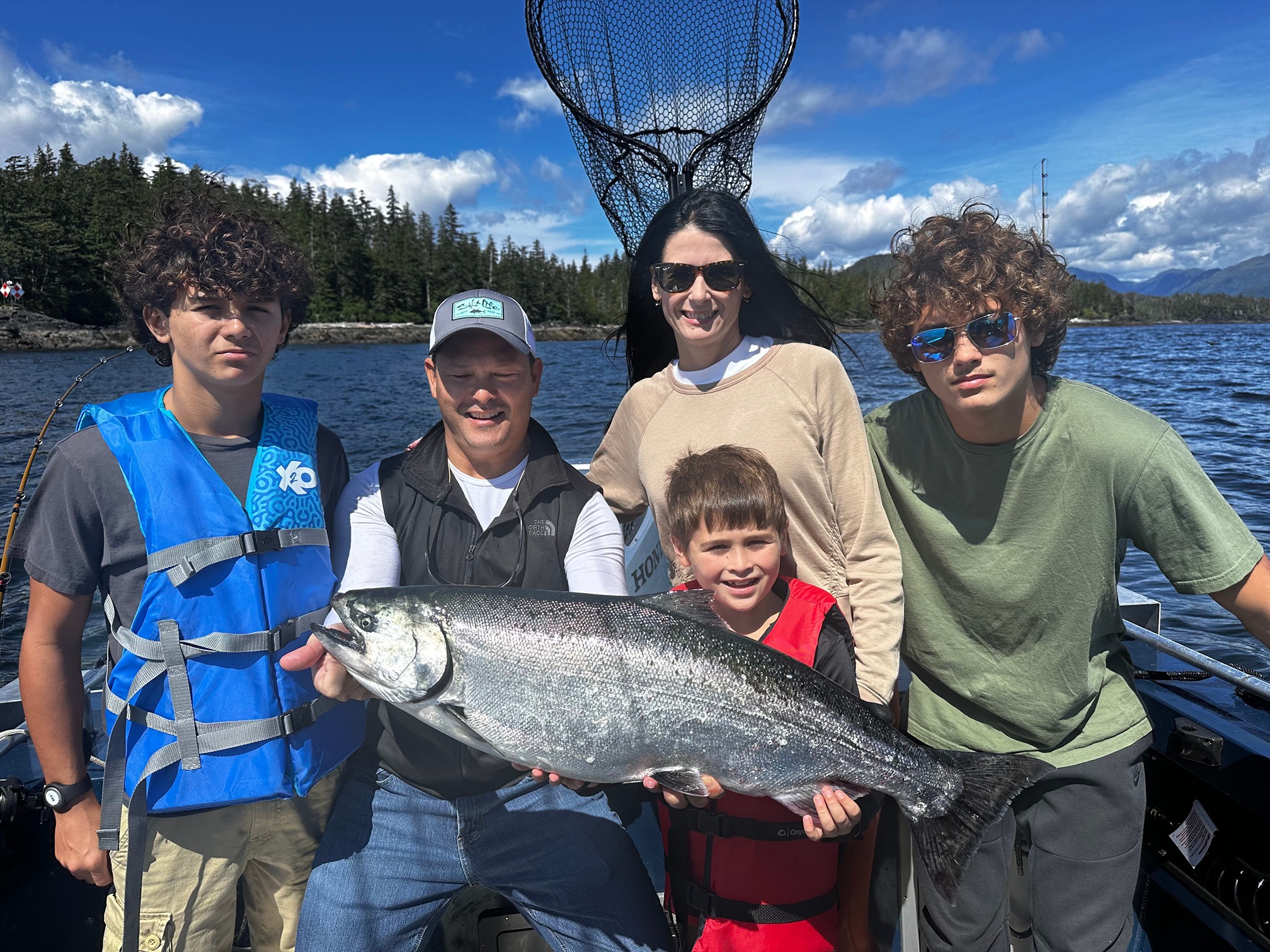
They picture a powerful king salmon making its first run, a fresh fillet at dinner, or perhaps the excitement of reeling in their first fish while visiting Alaska.
Here in Southeast Alaska, however, salmon are much more than a popular catch.
They are the foundation of an extraordinary ecosystem that has shaped this region for thousands of years.
Every summer, millions of Pacific salmon leave the open waters of the North Pacific and begin an incredible journey home. Guided by instincts scientists are still working to fully understand, they return to the very rivers and streams where they hatched years before. Along the way, they feed wildlife, nourish forests, support local communities, and continue a cycle of life unlike anything else in North America.
It’s one of the greatest natural migrations on Earth, and nowhere is that connection more visible than around Ketchikan.
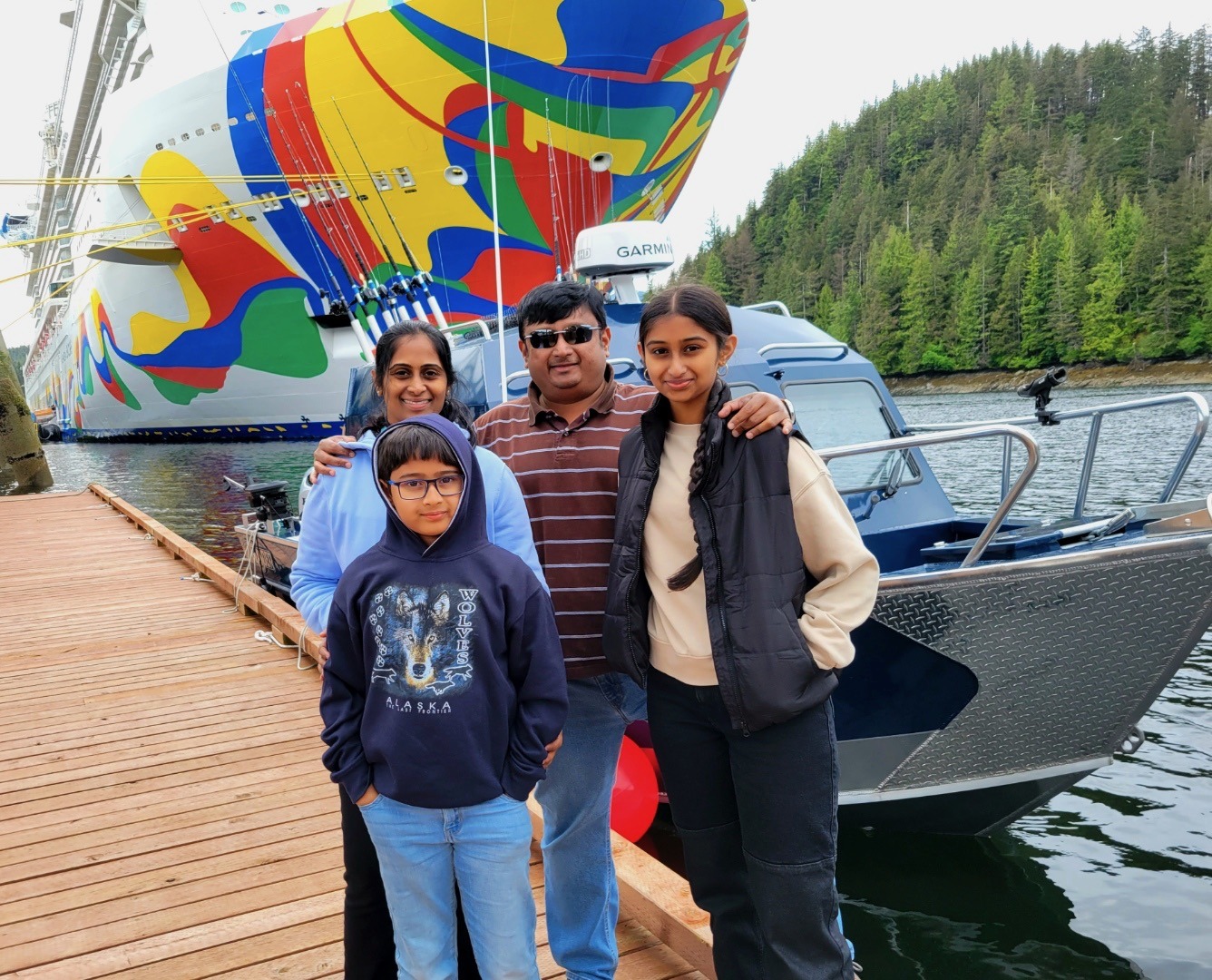
Whether you’re visiting on an Alaska cruise, planning a fishing charter, or simply exploring the beauty of Southeast Alaska, understanding the story of salmon will forever change the way you see this remarkable place.
A Journey That Begins in Freshwater
Every Pacific salmon begins life in a freshwater stream tucked somewhere within Southeast Alaska’s vast network of rivers and creeks. For months—or in some species, years—they grow in these cool, oxygen-rich waters before making their way downstream and out into the Pacific Ocean.
Once they reach the ocean, salmon can travel thousands of miles. During this stage of their lives, they grow rapidly by feeding in the nutrient-rich waters of the North Pacific. Depending on the species, they may spend anywhere from one to seven years at sea before beginning the remarkable journey back to the place where their lives began.
Scientists believe salmon use an extraordinary combination of Earth’s magnetic field and an incredibly sensitive sense of smell to locate their home streams. Whatever the mechanism, the result is astonishing. Against incredible odds, millions of salmon return with remarkable accuracy to complete the final stage of their life cycle.
Why the Tongass National Forest Depends on Salmon
When visitors first arrive in Ketchikan, they’re often captivated by the towering evergreens, lush mountainsides, and countless waterfalls that define the Tongass National Forest.
What many don’t realize is that the health of this rainforest is closely tied to the salmon returning each summer.
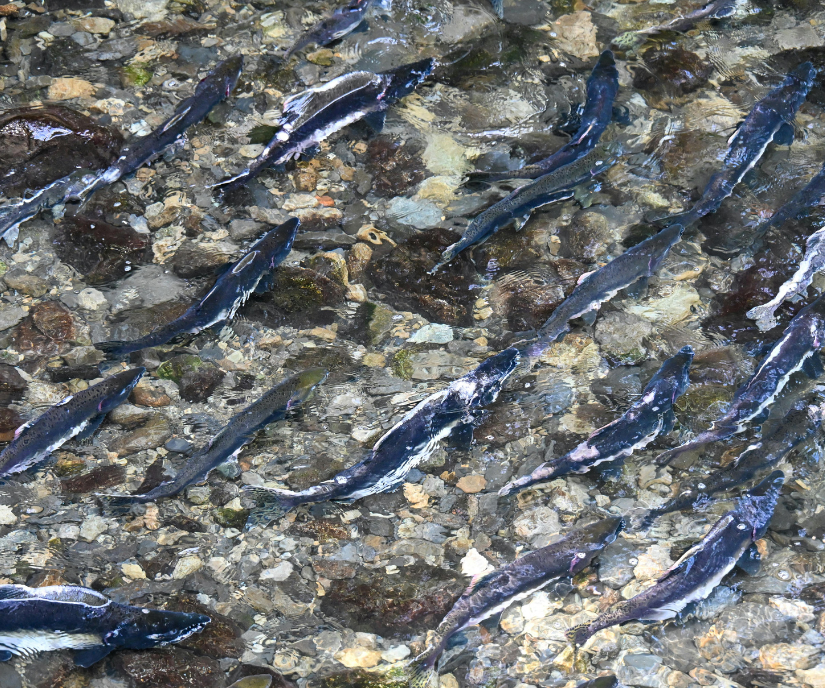
As salmon make their final journey upstream, they bring with them nutrients gathered during years spent in the Pacific Ocean. Those nutrients don’t simply disappear after spawning. They become food for wildlife, enrich nearby soils, and eventually help nourish the very forests that shade the streams where the next generation of salmon will hatch.
It’s a cycle that has repeated itself for thousands of years.
The forest protects the streams.
The streams support the salmon.
The salmon help feed the forest.
Everything is connected.
Salmon Feed Far More Than People
One of the easiest ways to understand the importance of salmon is to look at the wildlife that depends on them.
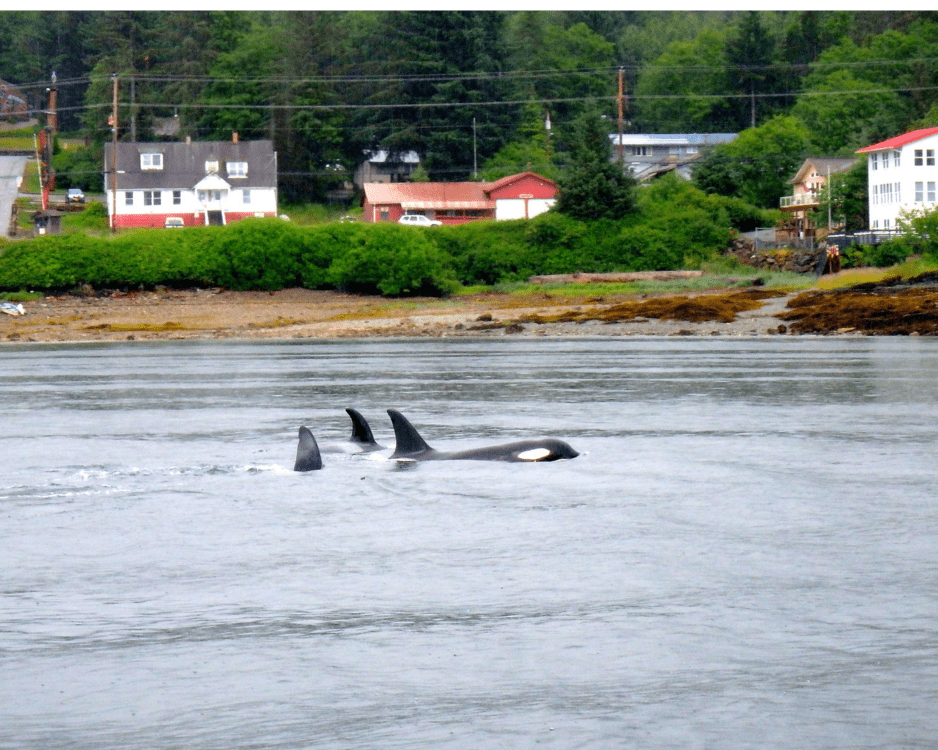
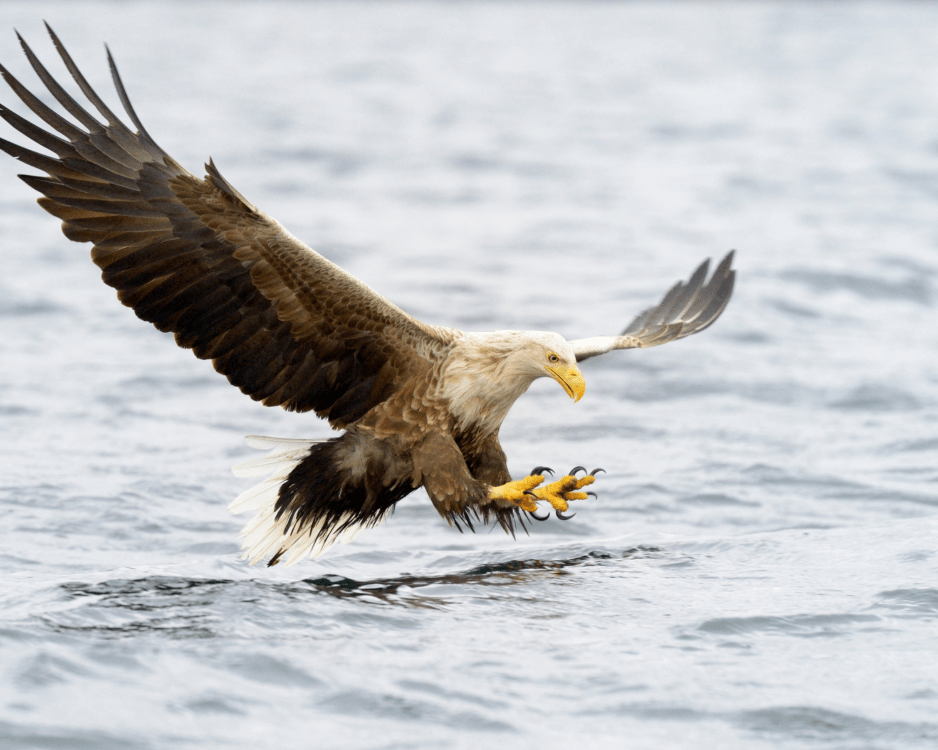
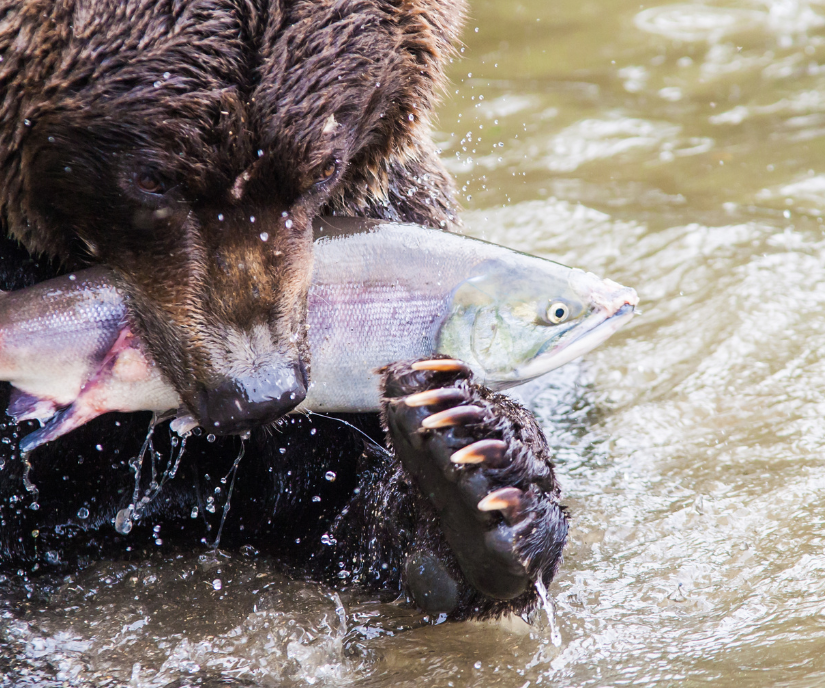
Black bears gather along rivers each summer, taking advantage of one of the most important food sources of the year. Bald eagles line the banks and perch high above the water, patiently waiting for the perfect opportunity to catch a fish. Harbor seals and Steller sea lions patrol river mouths where salmon gather before heading upstream, while humpback whales follow schools of baitfish supported by the same healthy marine ecosystem that allows salmon to thrive.
For visitors, this means that a single salmon run can create incredible wildlife viewing opportunities throughout Southeast Alaska.
When people ask why Ketchikan has such abundant wildlife, salmon are a big part of the answer.
A Way of Life That Spans Generations
Long before Ketchikan became a popular cruise destination or world-renowned fishing location, salmon sustained the Indigenous peoples who have called Southeast Alaska home for thousands of years.
The fish provided food, supported trade, and became deeply woven into the traditions and cultures of the region. Even today, salmon remain an important part of everyday life for many local families, commercial fishermen, and businesses throughout Southeast Alaska.
Fishing isn’t simply recreation here.
It’s part of the community’s identity.
Walk through Ketchikan during the summer, and you’ll see fishing boats returning to the harbor, processing facilities preparing the day’s catch, and anglers sharing stories of the fish they landed that morning.
Salmon continue to shape the economy, traditions, and character of this remarkable coastal town just as they have for generations.
Five Species, Five Incredible Journeys
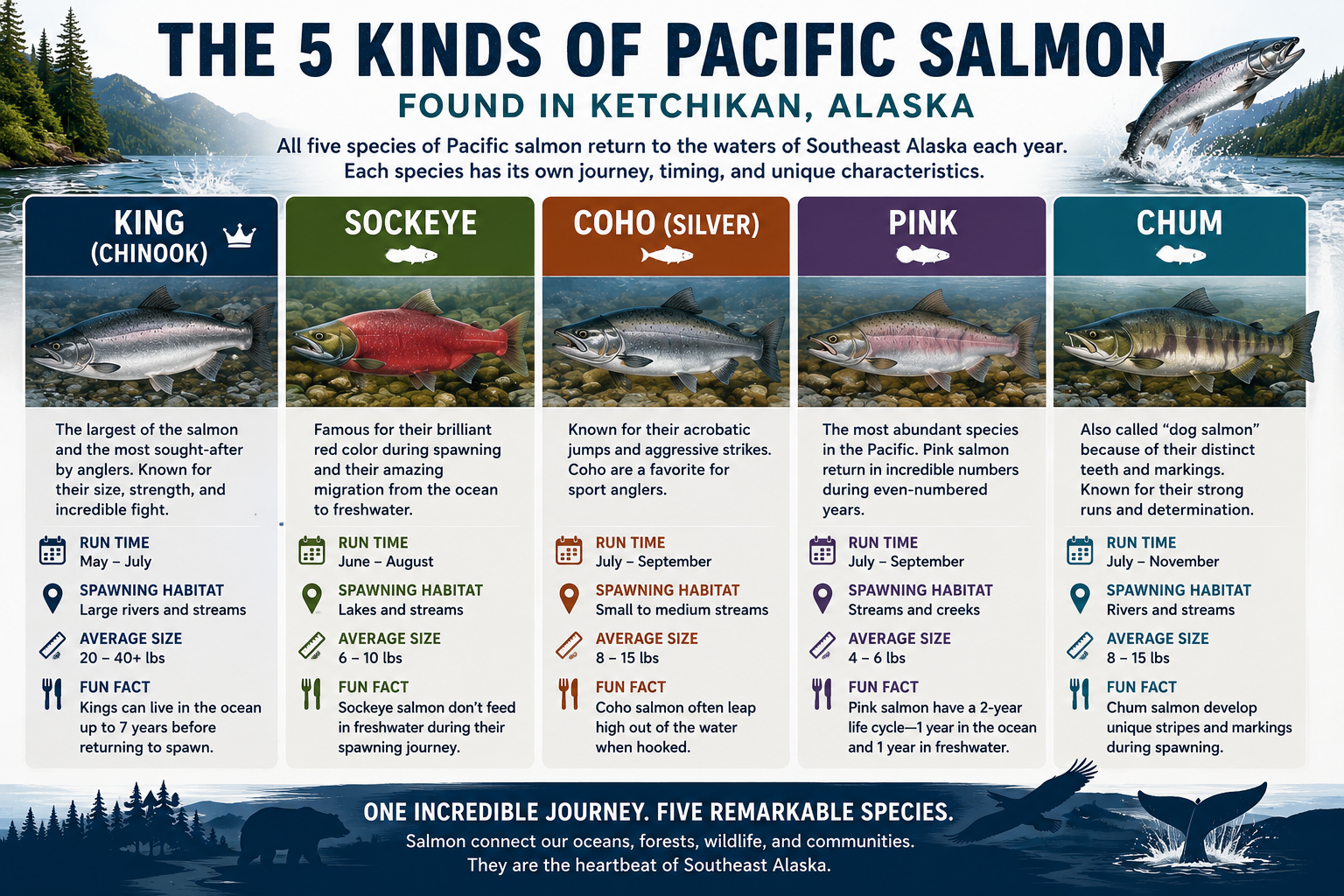
One of the things that makes Southeast Alaska so unique is that all five species of Pacific salmon return to these waters each year.
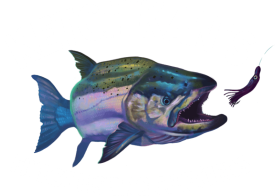
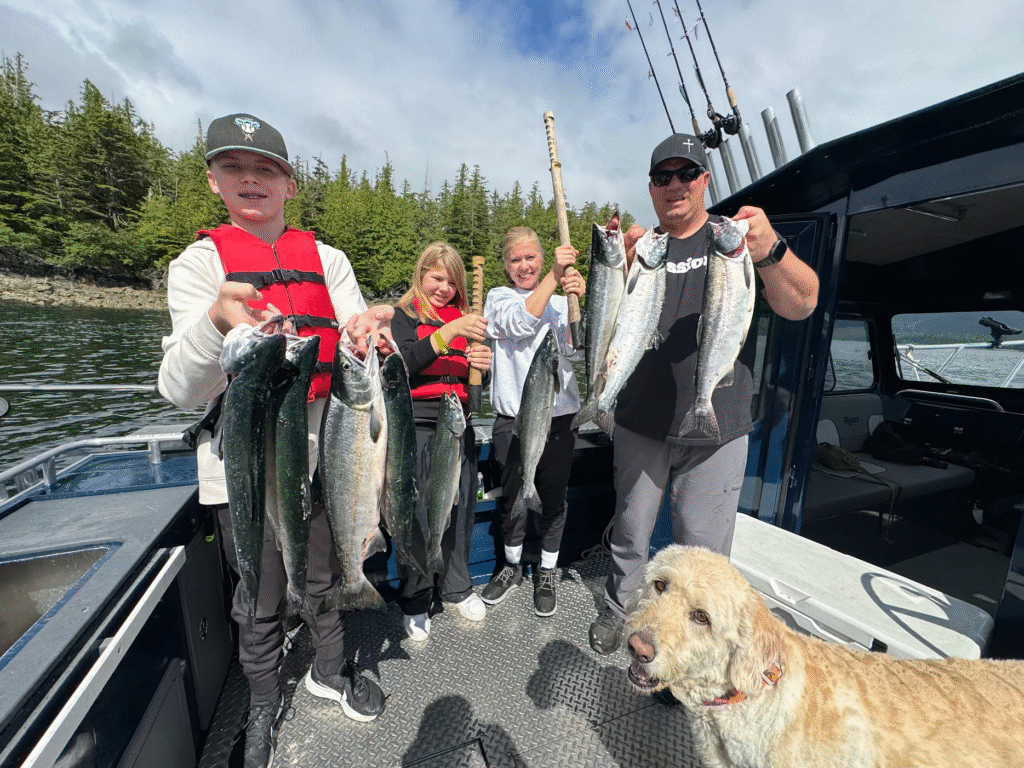
King (Chinook) salmon are the largest and often the most sought-after by anglers, known for their size, strength, and unforgettable fight. Silver (coho) salmon arrive later in the summer and are famous for their acrobatic jumps and aggressive strikes. Pink salmon return in incredible numbers during even-numbered years, while chum salmon are prized for their determination and powerful runs. Sockeye salmon, recognized by their brilliant red spawning colors, complete one of the most remarkable migrations in the animal kingdom.
Although each species follows its own timeline and behavior, they all share one incredible instinct: returning home.
That journey is one of the reasons Southeast Alaska supports such an abundance of wildlife. Every salmon species plays a role in maintaining the balance of the ecosystem, contributing to a cycle that has repeated itself for thousands of years.
If you’d like to learn more about the differences between each species, be sure to read our guide to the five types of Pacific salmon found in Ketchikan.
Why Ketchikan Became the Salmon Capital of the World
Ketchikan didn’t earn its nickname by accident.
Located along Alaska’s famous Inside Passage and surrounded by thousands of salmon streams flowing through the Tongass National Forest, Ketchikan sits in one of the most productive fishing regions on Earth. The combination of healthy rivers, nutrient-rich ocean waters, and a thriving rainforest creates ideal conditions for wild salmon populations to flourish.
Every summer, anglers from around the world travel here hoping to experience one of Alaska’s greatest traditions—catching a wild Pacific salmon in the waters where these incredible fish have returned for generations.
It’s not simply about bringing home fish.
It’s about becoming part of a story that has been unfolding in Southeast Alaska long before modern fishing boats ever existed.
The Best Way to Experience the Salmon Story
Reading about salmon is one thing.
Watching the ecosystem come alive around you is something entirely different.
Out on the water, it’s easy to understand why everything in Southeast Alaska is so deeply connected. You might spot a bald eagle circling overhead while salmon schools move beneath the surface. Harbor seals wait patiently near river mouths, and humpback whales feed in the same nutrient-rich waters that support healthy salmon populations.
It’s one thing to hear that salmon sustain the ecosystem.
It’s another to see it unfolding around you in real time.
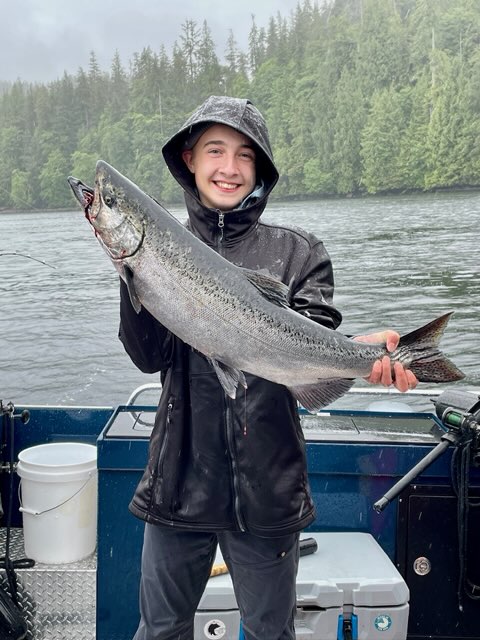
That’s one of the reasons so many visitors tell us that their time on the water becomes the highlight of their Alaska vacation. Whether they’re fishing, photographing wildlife, or simply enjoying the scenery, they leave with a deeper appreciation for how extraordinary this place truly is.
More Than Just a Fish
It’s easy to think of salmon as simply another species swimming through Alaska’s waters.
But here in Southeast Alaska, they represent something much bigger.
They connect the mountains to the ocean.
They nourish the rainforest.
They support wildlife, communities, traditions, and livelihoods.
Without salmon, Ketchikan wouldn’t look the way it does today, and it certainly wouldn’t be known as one of the world’s greatest fishing destinations.
The next time you watch a salmon leap from the water or see one making its way upstream, remember that you’re witnessing one of nature’s greatest success stories—one that’s been repeated every summer for thousands of years.
Frequently Asked Questions
Why are salmon so important to Southeast Alaska?
Salmon are considered a keystone species because they support nearly every part of the ecosystem. They provide food for bears, bald eagles, seals, sea lions, whales, and countless other animals while also helping nourish the forests and streams where future generations of salmon will hatch.
How many species of salmon live in Alaska?
Alaska is home to five species of Pacific salmon: king (Chinook), silver (coho), sockeye, pink, and chum salmon. All five species can be found in the waters surrounding Ketchikan during different times of the season.
Why do salmon return to the same rivers?
Pacific salmon are born in freshwater streams before migrating to the ocean. Years later, they return to those same streams to spawn, using an extraordinary combination of instinct, Earth’s magnetic field, and their highly developed sense of smell.
Why is Ketchikan known as the Salmon Capital of the World?
Ketchikan’s location along the Inside Passage, its healthy salmon streams, and its access to productive Pacific waters make it one of the world’s premier destinations for wild salmon fishing.
What wildlife depends on salmon?
Salmon provide food for black bears, bald eagles, harbor seals, Steller sea lions, humpback whales, river otters, and many other species throughout Southeast Alaska.
When is the best time to see salmon in Ketchikan?
Salmon begin arriving in late spring, with the peak season generally occurring from June through September. July and August are often considered the busiest months, when multiple salmon species can be found throughout the area.
Can visitors experience the salmon run?
Absolutely. Whether you’re fishing, taking a wildlife tour, or simply exploring local streams and waterfront areas, summer is an excellent time to witness one of Alaska’s most remarkable natural events.
What's the best way to learn about Alaska's salmon?
Spending time on the water with knowledgeable local guides offers one of the best opportunities to see how salmon shape Southeast Alaska’s wildlife, scenery, and culture while experiencing the ecosystem firsthand.
Experience the Story for Yourself
Every summer, millions of salmon return to Southeast Alaska, continuing a journey that has shaped this region for thousands of years. Their migration supports towering rainforests, remarkable wildlife, thriving communities, and the world-class fishing that makes Ketchikan famous.
Whether you’re visiting on an Alaska cruise or planning a fishing charter, understanding the role salmon play in this ecosystem adds a whole new level of appreciation to everything you’ll see around you.
And if you have the opportunity to experience it from the water, you’ll quickly discover why salmon are far more than just fish.
They’re the heartbeat of Southeast Alaska.
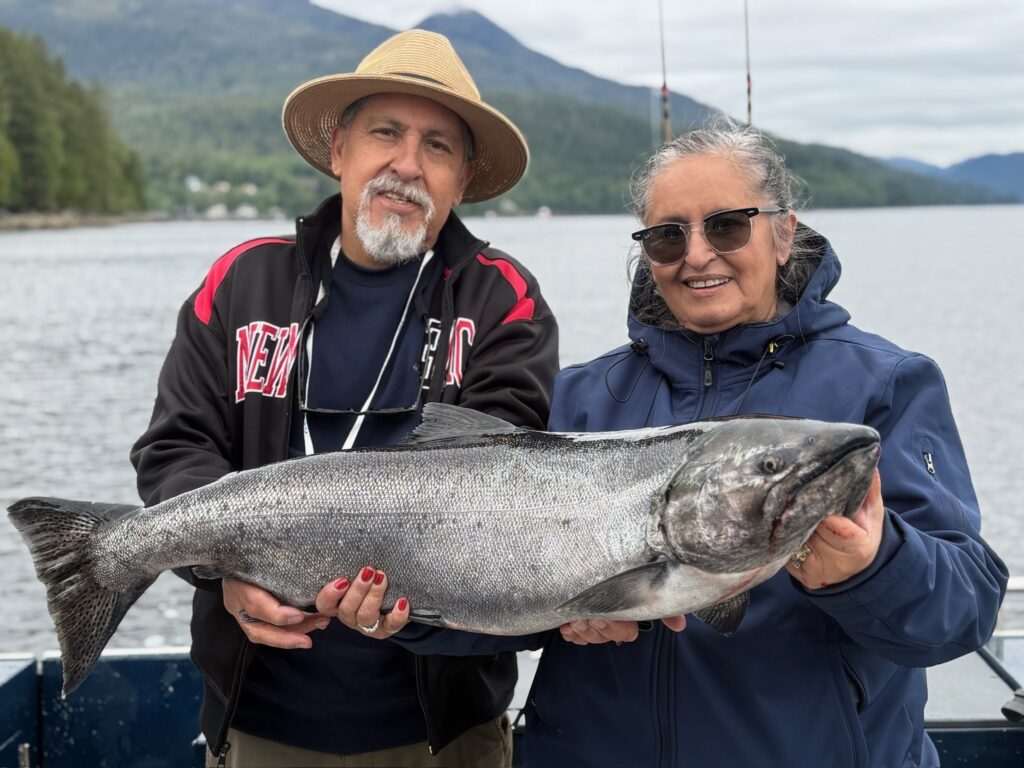
Ketchikan Fishing Company is Proudly Owned by Ketchikan's Finest Fishing Charters
At Ketchikan Fishing Company, we are proud to be owned and operated by Ketchikan Wildlife Tours & Ketchikan Finest Fishing Charters —the #1 rated salmon and halibut fishing charter in Ketchikan. As a family-owned and locally operated business, we uphold the same commitment to excellence, safety, and customer satisfaction that has made us a trusted name in Ketchikan fishing excursions.
When you book a fishing charter with us, you’re choosing a locally trusted, cruise-friendly company that is dedicated to delivering an authentic Alaskan fishing experience.