What Is the Inside Passage? Everything Alaska Cruise Guests Should Know Before Visiting Ketchikan
For many travelers, an Alaska cruise begins long before they ever step aboard the ship.
They spend months researching ports of call, reading about wildlife, comparing shore excursions, and imagining what they’ll see as they sail north. Somewhere along the way, one phrase keeps appearing in nearly every itinerary:
The Inside Passage.
It’s one of the most famous cruise routes in the world, yet many visitors arrive in Alaska without really knowing what it is.
Is it an ocean?
A channel?
A national park?
Or simply the route your cruise ship follows?
The answer is a little of all those things—and understanding it will completely change the way you experience Southeast Alaska.
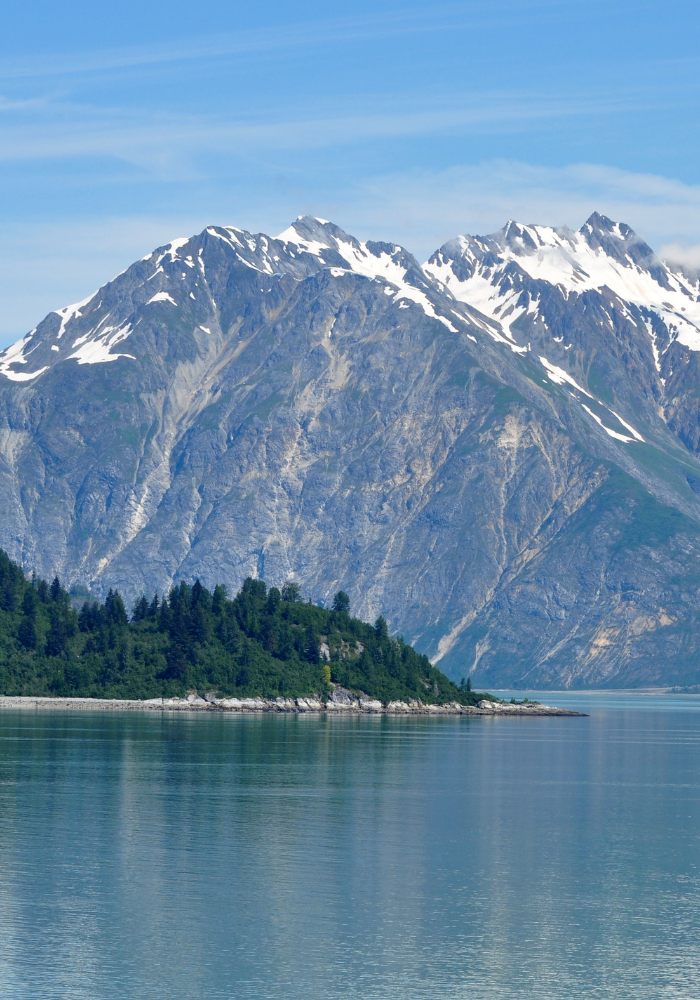
The Inside Passage isn’t simply a route between destinations. It’s one of North America’s most remarkable natural landscapes, stretching more than 1,000 miles from Washington State through British Columbia and into Southeast Alaska. Along the way, cruise ships travel through a maze of protected waterways surrounded by towering mountains, lush rainforests, glacier-carved fjords, and thousands of forested islands.
It’s also home to some of Alaska’s most incredible wildlife, world-famous salmon runs, and the communities that have depended on these waters for thousands of years.
Whether you’re visiting Ketchikan for just one day or spending a week exploring Alaska’s coastline, understanding the Inside Passage will help you appreciate why this region feels unlike anywhere else on Earth.
What Exactly Is the Inside Passage?
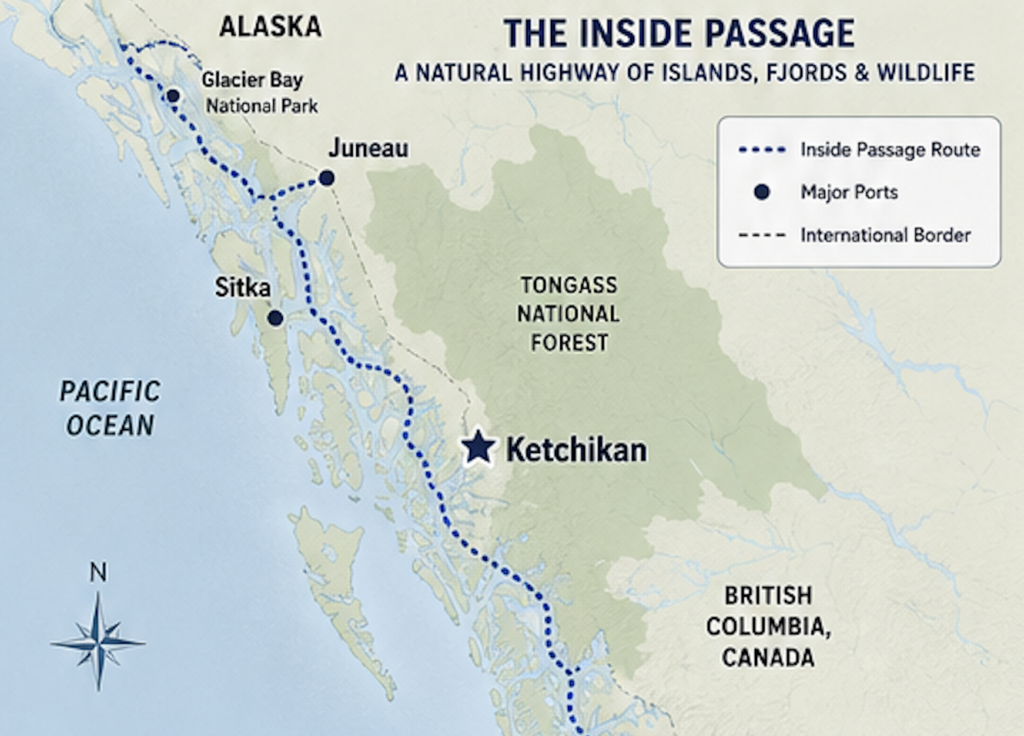
The Inside Passage is a network of sheltered coastal waterways that runs along the Pacific Coast from Washington through British Columbia and into Southeast Alaska. Rather than traveling across the open Pacific Ocean, ships navigate between thousands of islands that naturally protect these channels from much of the ocean’s swell.
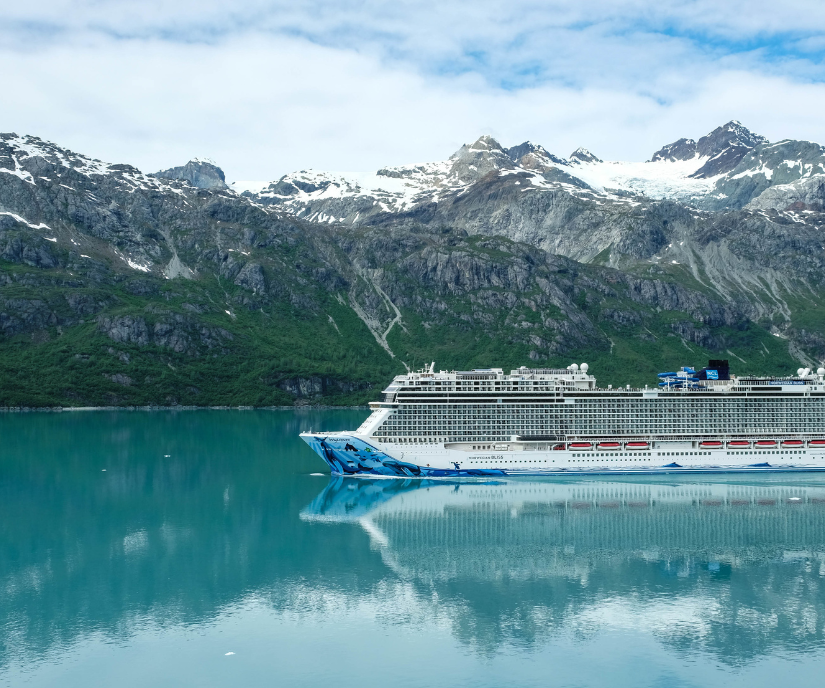
This geography is one of the reasons Alaska cruises are so popular. Instead of spending days looking at endless open water, passengers are treated to constantly changing scenery. Around every bend, another mountain appears, another waterfall tumbles toward the sea, or another quiet bay reveals itself beneath the towering evergreens of the Tongass National Forest.
For many visitors, the journey becomes just as memorable as the ports themselves.
The Tongass National Forest and the Inside Passage
One of the reasons the Inside Passage is so spectacular is because much of Southeast Alaska is surrounded by the Tongass National Forest—the largest national forest in the United States.
Covering nearly 17 million acres, the Tongass is one of the largest remaining temperate rainforests in the world. Together, the rainforest and the protected waters of the Inside Passage create one of the richest ecosystems in North America.
The connection between land and sea is impossible to miss.
Towering Sitka spruce and western hemlock forests stretch all the way to the shoreline. Rivers flow from snow-capped mountains through dense rainforest before emptying into sheltered bays. Waterfalls spill down cliffs that seem to rise directly from the ocean.
It’s difficult to tell where the forest ends and the sea begins because, in many ways, they function as one living ecosystem.
Why Cruise Ships Travel the Inside Passage
There’s a reason nearly every major Alaska cruise itinerary includes the Inside Passage.
The protected waterways provide one of the safest and most scenic routes into Southeast Alaska while allowing visitors access to communities like Ketchikan, Juneau, Sitka, and Skagway.
Long before cruise ships became part of Alaska tourism, these waters served as important transportation routes for the Indigenous peoples of Southeast Alaska, including the Tlingit, Haida, and Tsimshian. For thousands of years, they traveled these waterways by canoe, relying on the ocean’s resources and the surrounding forests for their way of life.
Today, those same waters welcome visitors from around the world while continuing to support local communities, commercial fishermen, and countless species of wildlife.
One of the Richest Wildlife Habitats in Alaska
The Inside Passage isn’t just beautiful—it’s alive.
The nutrient-rich waters support an incredible variety of marine life, making Southeast Alaska one of the best places in North America to observe wildlife in its natural habitat.
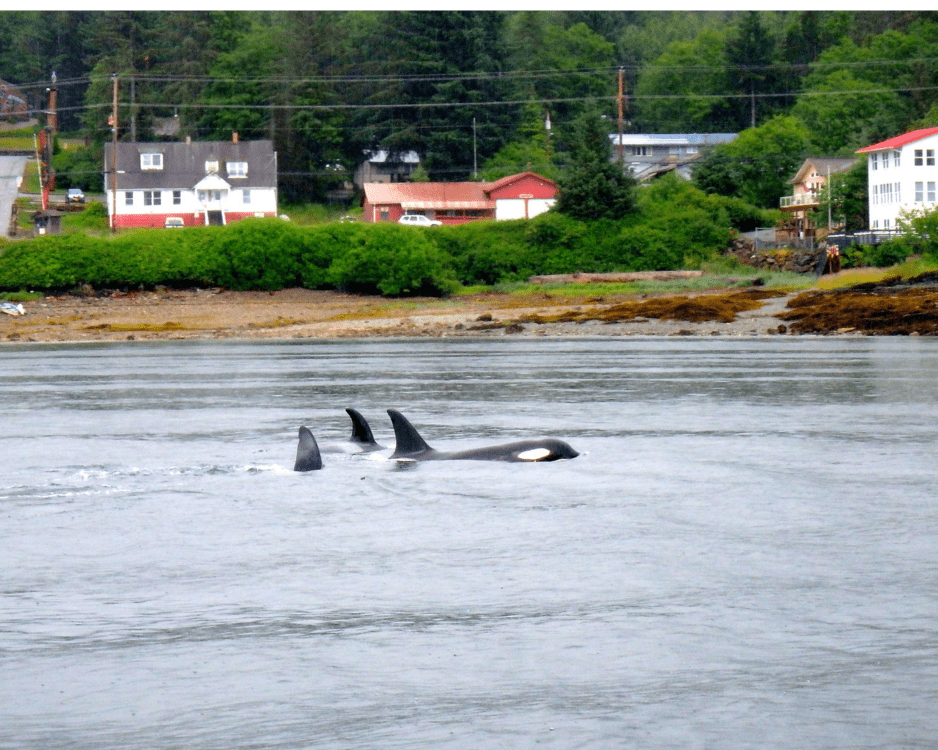
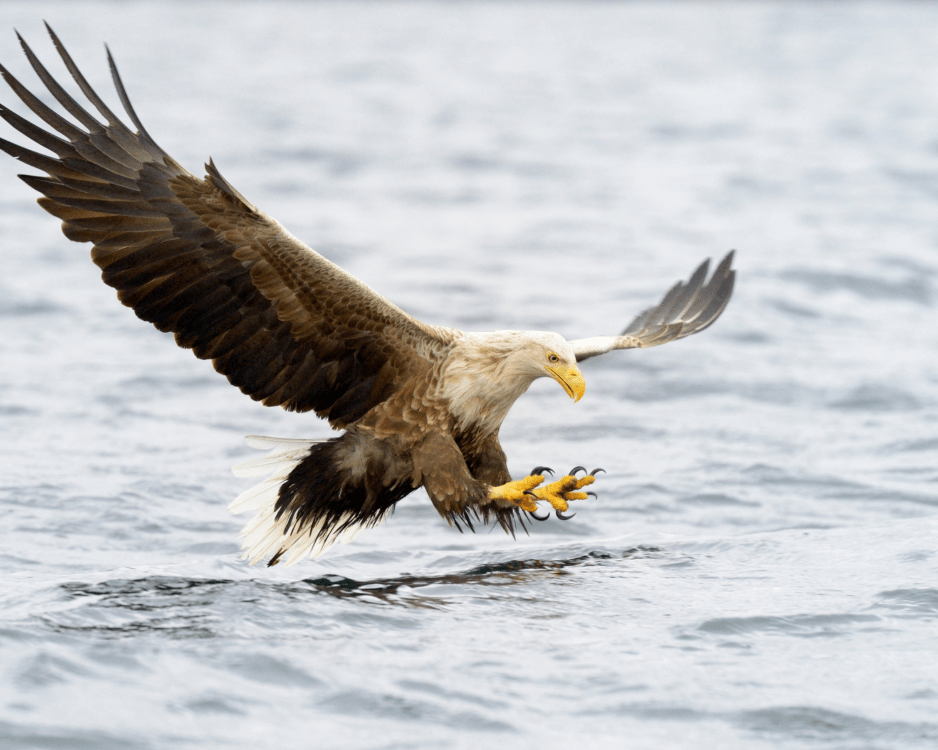
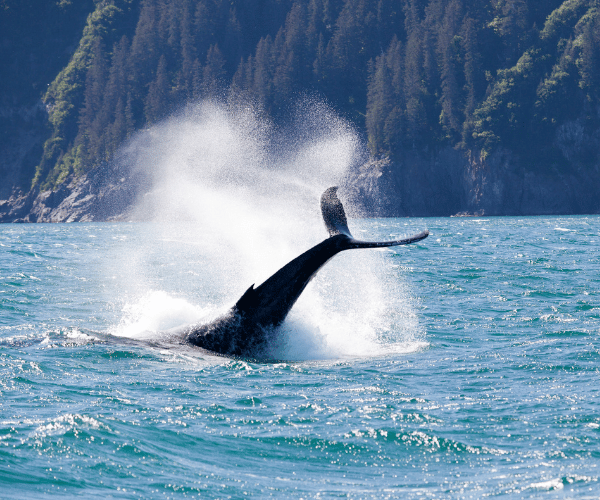
During the summer months, humpback whales return to feed in these productive waters, while harbor seals, Steller sea lions, porpoises, and countless seabirds thrive along the coastline. Bald eagles perch high in the trees overlooking quiet coves, and black bears frequently patrol salmon streams just beyond the shoreline.
One of the things that surprises many visitors is how quickly wildlife sightings can happen. You may leave the harbor expecting a relaxing boat ride, only to find yourself watching a humpback whale surface in the distance before an eagle glides overhead moments later.
That’s the beauty of the Inside Passage.
Nature is always just around the next point.
Rain, Forest, and Salmon: Everything Is Connected
One of the first things visitors learn about Ketchikan is that it receives a lot of rain.
In fact, it’s often called Alaska’s Rain Capital, averaging more than 150 inches of rainfall each year. While that may sound like something to worry about, locals know it’s actually one of the reasons this region is so extraordinary.
The rain feeds the Tongass National Forest, creating the lush temperate rainforest that blankets Southeast Alaska. Those forests protect thousands of rivers and streams that eventually flow into the Inside Passage, providing ideal habitat for Pacific salmon to hatch, grow, and eventually return after years spent in the Pacific Ocean.
Those salmon become the heartbeat of the entire ecosystem.
Every summer, millions of salmon migrate back through the Inside Passage and into the rivers where they were born. Along the way, they feed bald eagles, black bears, harbor seals, Steller sea lions, humpback whales, and countless other species that call Southeast Alaska home.
It’s one of nature’s greatest examples of how everything is connected.
The rain nourishes the forest.
The forest protects the streams.
The streams support the salmon.
And the salmon sustain nearly everything else.
Once you understand that relationship, it’s impossible to look at the Inside Passage the same way again.
Why Ketchikan Is One of the Best Places to Experience the Inside Passage
For many cruise passengers, Ketchikan is their first stop in Alaska—and it’s an unforgettable introduction to the Inside Passage.
Nestled within the Tongass National Forest, Ketchikan offers immediate access to everything that makes Southeast Alaska so special. Within minutes of leaving the harbor, you’re surrounded by forested islands, quiet coves, waterfalls cascading down mountainsides, and waters rich with marine life.
Unlike larger ports where much of the experience happens in town, Ketchikan’s greatest attraction lies just beyond the dock.
The wilderness begins almost immediately.
That’s one of the reasons so many visitors choose to spend part of their day exploring the surrounding waterways. It provides a closer look at the landscape, wildlife, and scenery that make this region unlike anywhere else in North America.
Seeing the Inside Passage From a Different Perspective
Cruise ships offer incredible views, but they also remind you just how vast the Inside Passage really is.
From several decks above the water, you can appreciate the scale of the mountains and forests. But aboard a smaller boat, you experience something entirely different.
You notice the quiet.
You hear waterfalls echoing across secluded bays.
You watch harbor seals surface only a few yards away and bald eagles glide silently above the shoreline. If you’re lucky, you may even witness a humpback whale surfacing nearby or a playful porpoise riding alongside the boat.
The scenery becomes more than something you admire from a distance.
You become part of it.
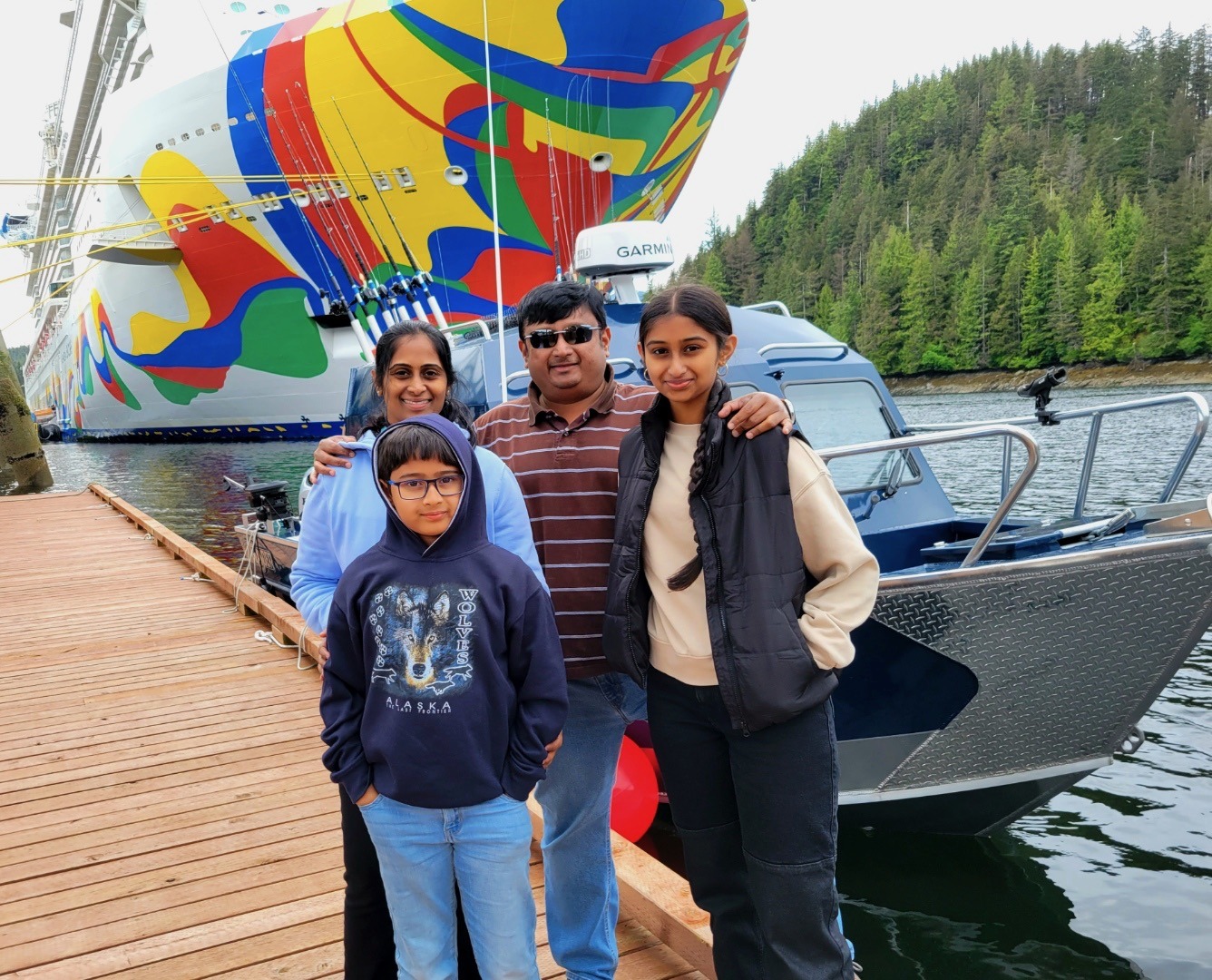
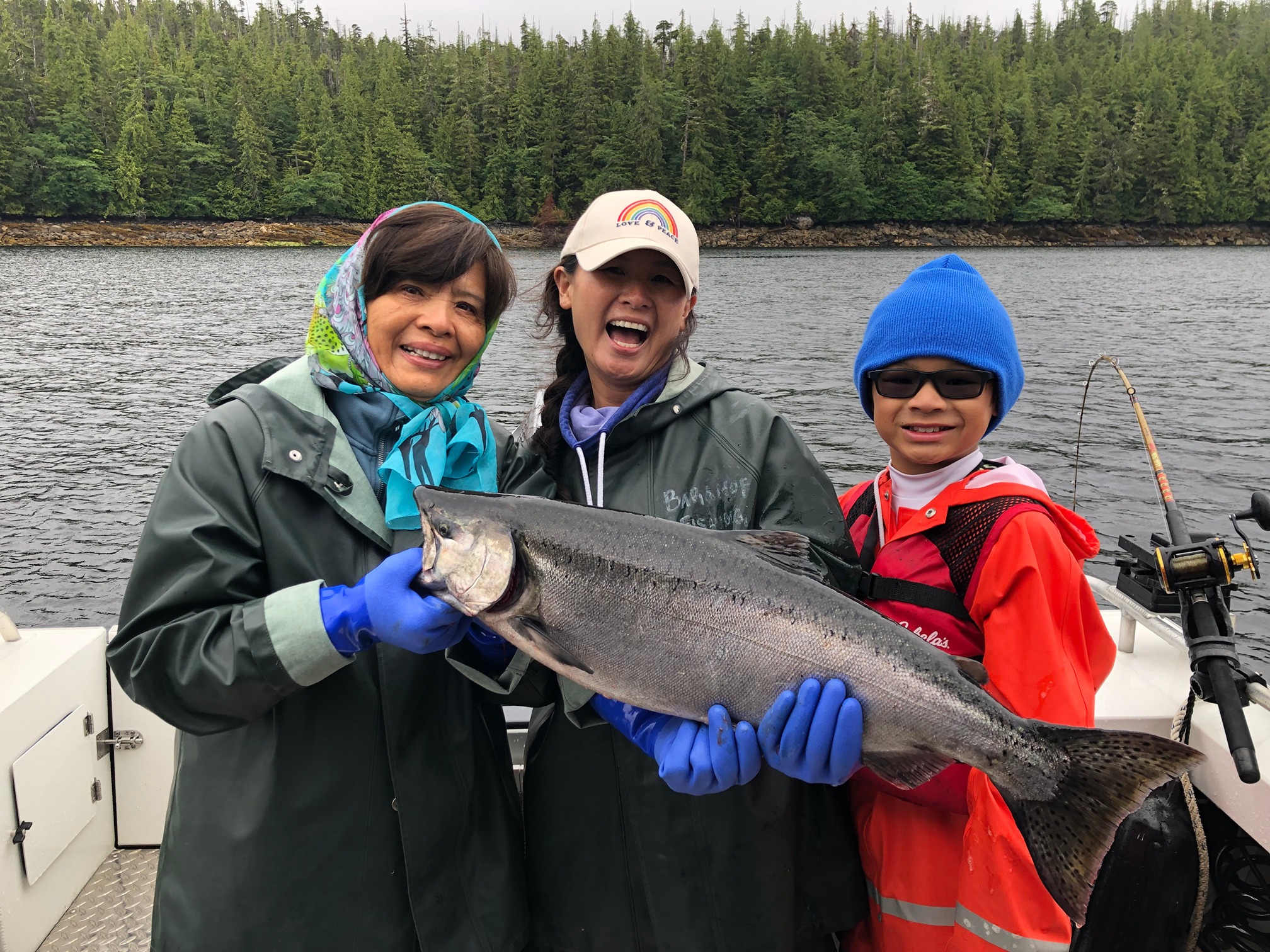
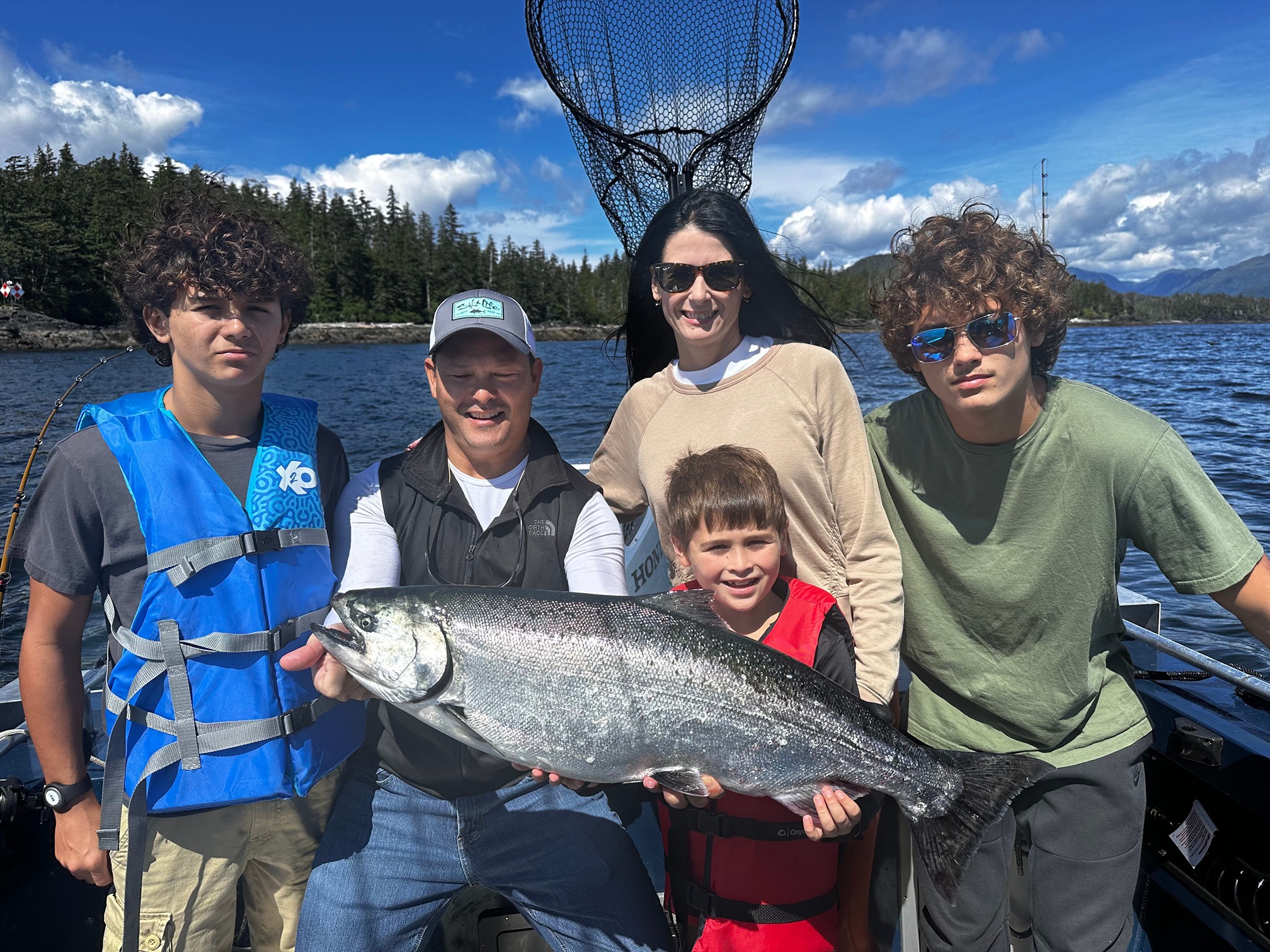
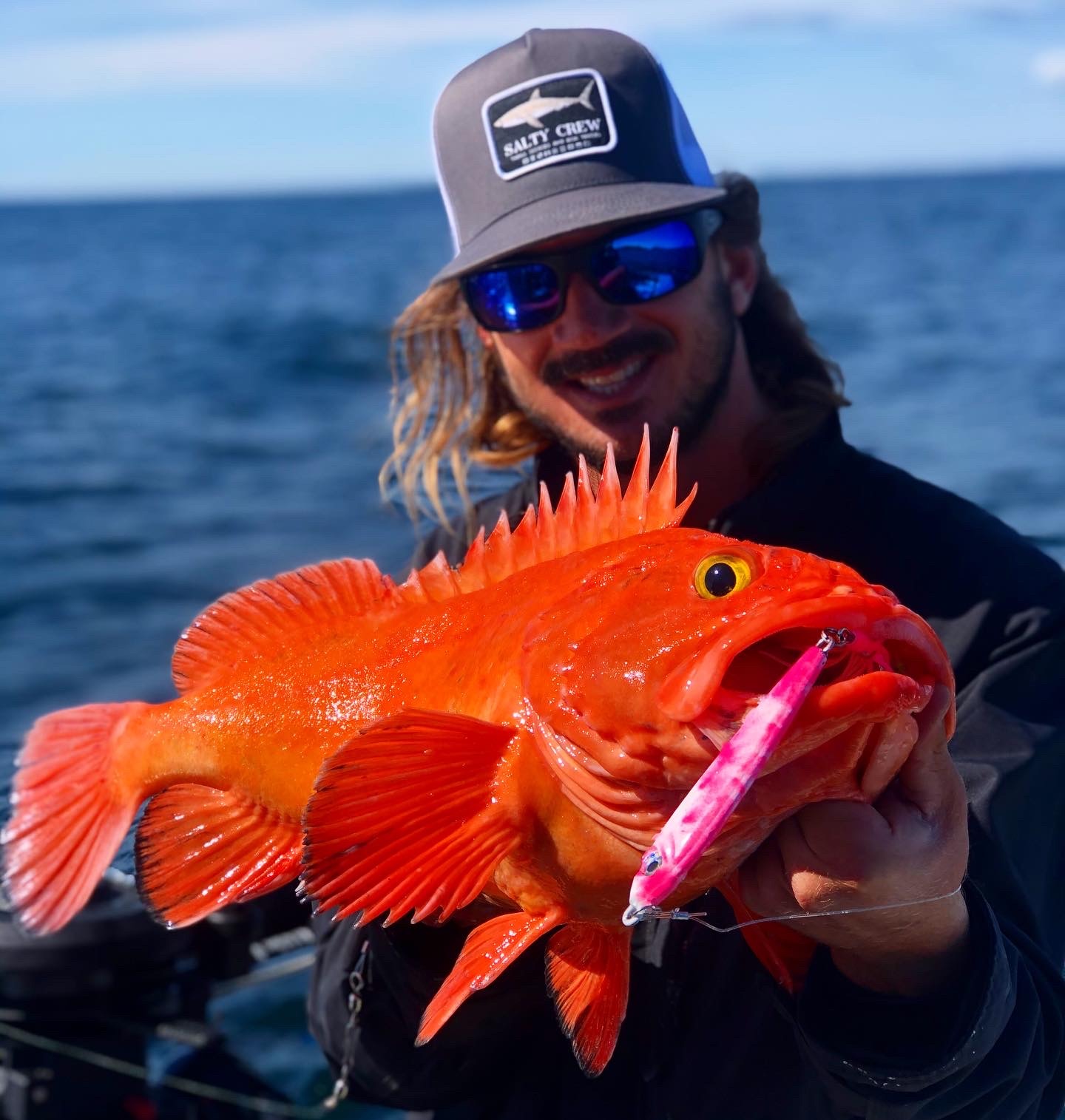
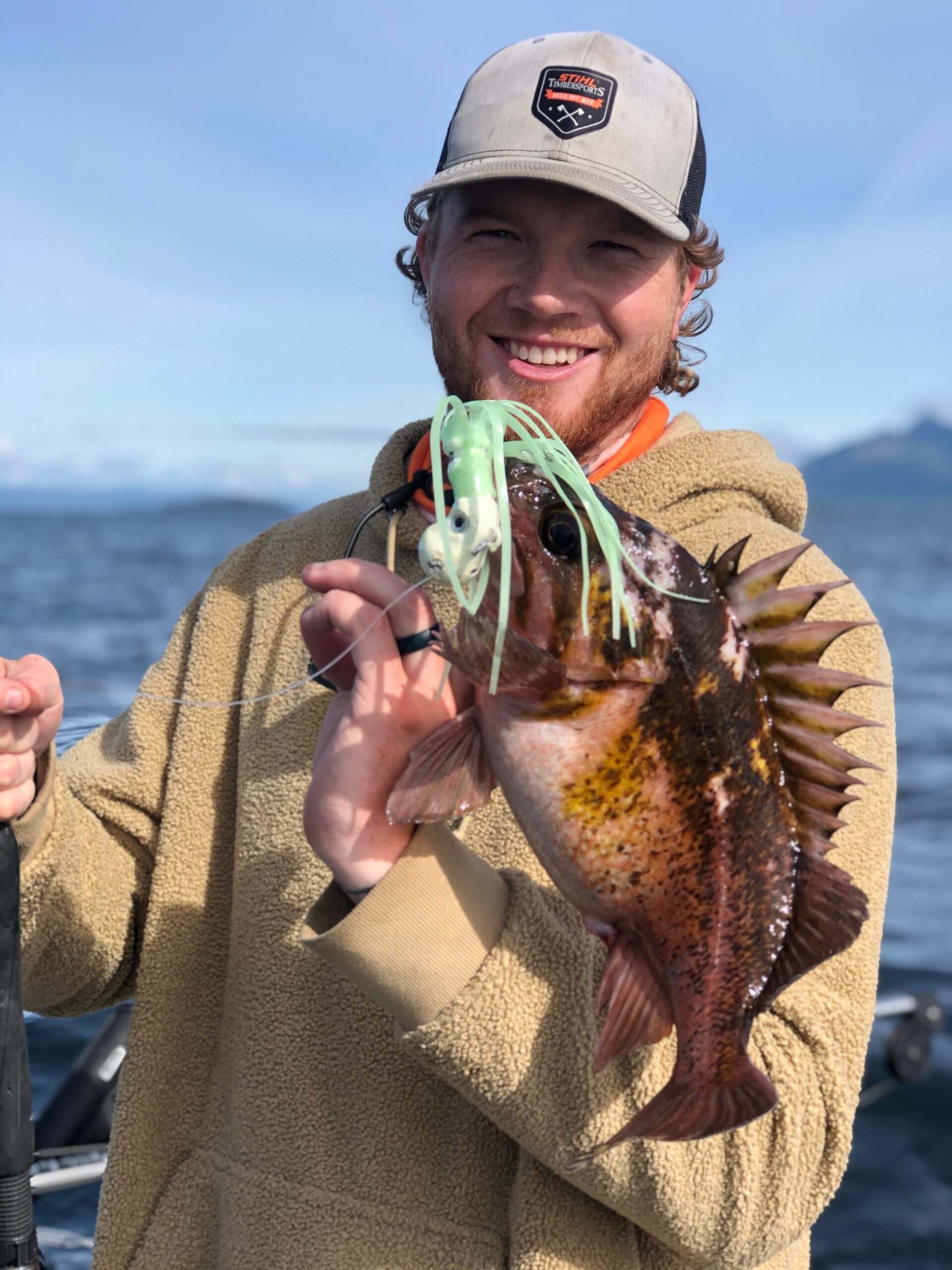
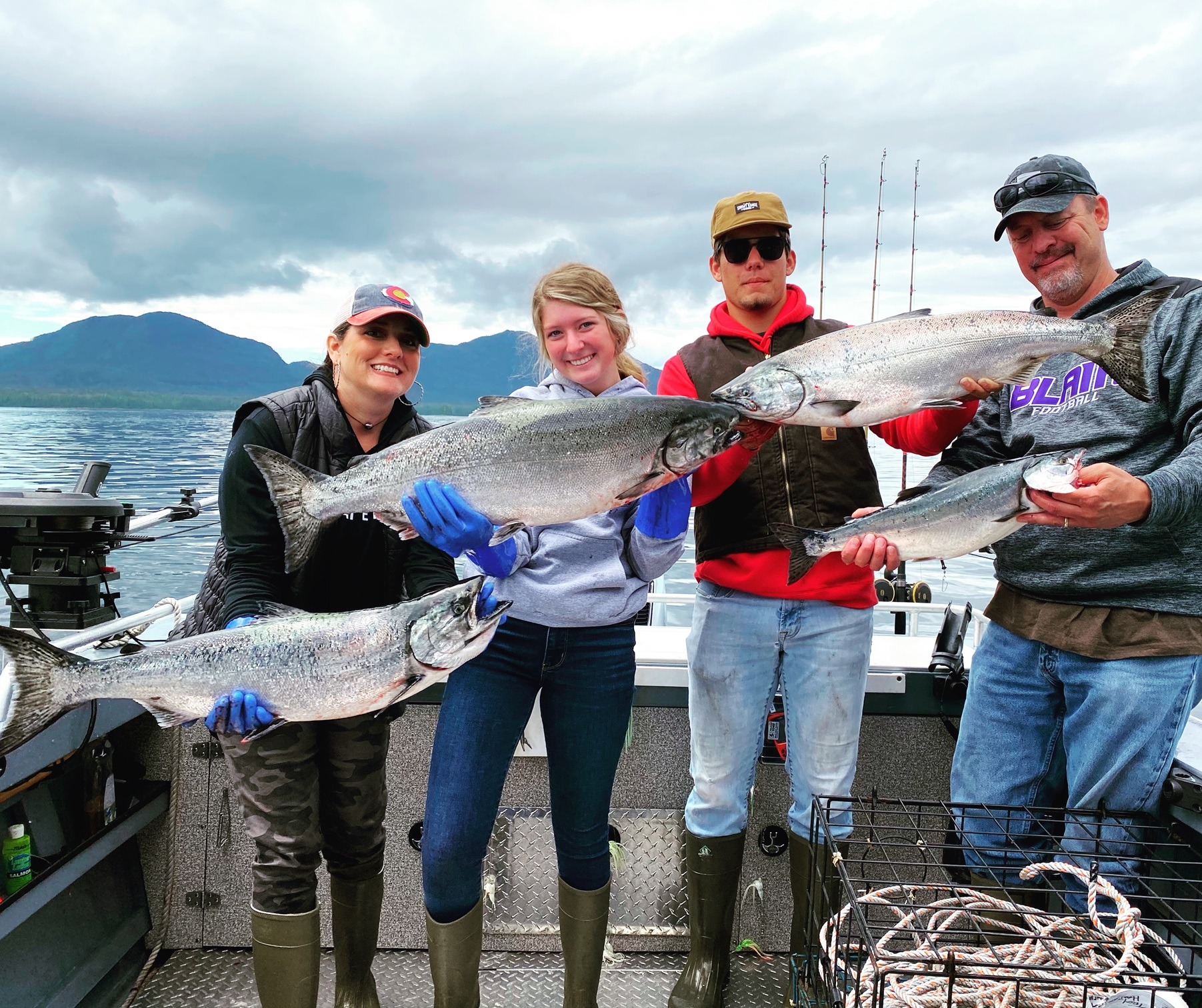
Whether you’re photographing wildlife, exploring the coastline, or casting a line for wild Alaska salmon, spending time on the water offers a perspective of the Inside Passage that few visitors ever forget.
More Than a Cruise Route
It’s easy to think of the Inside Passage as simply the route your cruise ship follows between ports.
But it’s so much more than that.
It’s one of the last great wilderness regions in North America—a place where towering rainforests meet glacier-carved mountains, wildlife still thrives in incredible abundance, and salmon continue a migration that has shaped Southeast Alaska for thousands of years.
Every waterfall, every forest, every eagle soaring overhead, and every whale surfacing offshore is part of a much larger story.
It’s a story of connection.
Between rain and rainforest.
Between rivers and the sea.
Between salmon and wildlife.
And between visitors and a place they’ll never forget.
Frequently Asked Questions
What is the Inside Passage?
The Inside Passage is a network of protected coastal waterways stretching from Washington State through British Columbia and into Southeast Alaska. It’s one of the world’s most scenic cruise routes and is famous for its mountains, rainforests, wildlife, and coastal communities.
Why do Alaska cruise ships travel through the Inside Passage?
The Inside Passage offers protected waters, spectacular scenery, and access to many of Alaska’s most popular cruise ports, including Ketchikan, Juneau, Sitka, and Skagway.
Is the Inside Passage part of the Pacific Ocean?
Yes. The Inside Passage is connected to the Pacific Ocean, but its waterways are sheltered by thousands of islands, creating calmer conditions than the open ocean.
What wildlife can you see in the Inside Passage?
Visitors commonly spot humpback whales, harbor seals, Steller sea lions, bald eagles, porpoises, river otters, black bears, and many species of seabirds during the summer months.
Why is the Inside Passage so good for salmon?
Healthy rivers flowing through the Tongass National Forest combine with cold, nutrient-rich Pacific waters to create ideal habitat for all five species of Pacific salmon.
Why is Ketchikan one of the best places to experience the Inside Passage?
Ketchikan sits at the southern entrance to Alaska’s Inside Passage and provides immediate access to incredible wildlife, rainforest scenery, waterfalls, and world-class salmon fishing.
What's the best way to experience the Inside Passage?
Cruise ships provide spectacular panoramic views, but exploring the Inside Passage aboard a smaller local boat offers a closer look at wildlife, hidden coves, waterfalls, and the incredible scenery that makes Southeast Alaska so unique.
Experience the Inside Passage for Yourself
The Inside Passage isn’t simply how people travel through Southeast Alaska.
It’s the reason so many people fall in love with it.
From towering rainforests and glacier-carved mountains to remarkable wildlife and legendary salmon runs, everything that makes this corner of Alaska unforgettable begins here.
Whether you’re admiring the scenery from your cruise ship or exploring these waters aboard a local charter, you’ll quickly discover that the Inside Passage isn’t just a destination.
It’s an experience.
And once you’ve seen it for yourself, you’ll understand why visitors return to Southeast Alaska year after year.
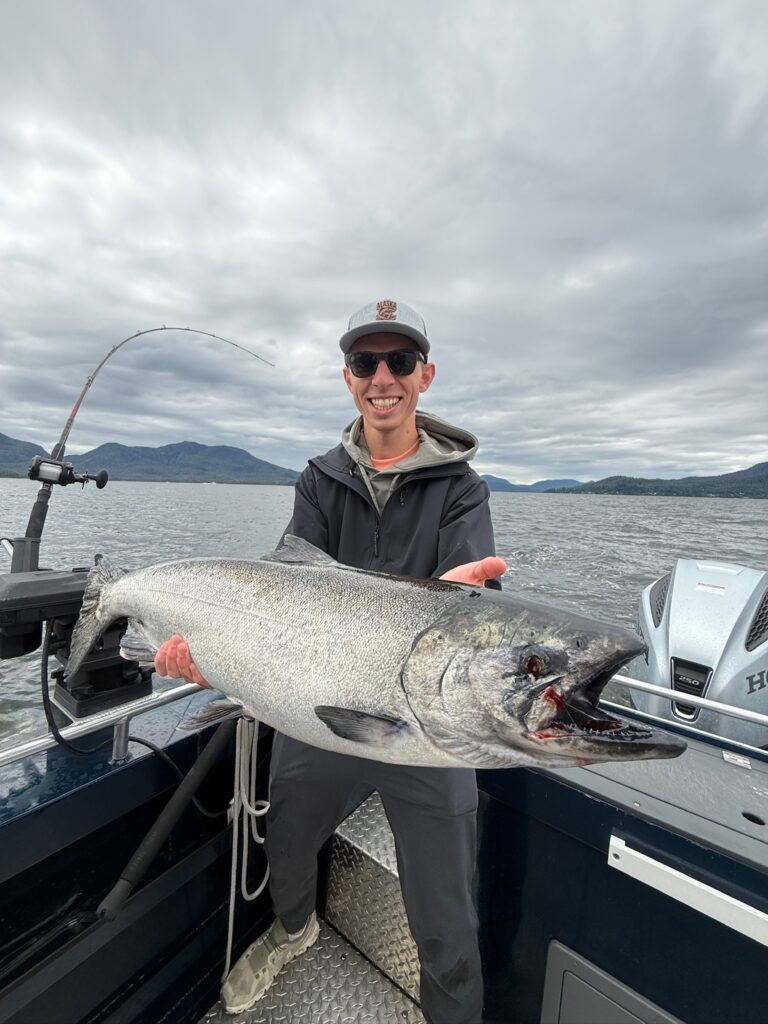
Ketchikan Fishing Company is Proudly Owned by Ketchikan's Finest Fishing Charters
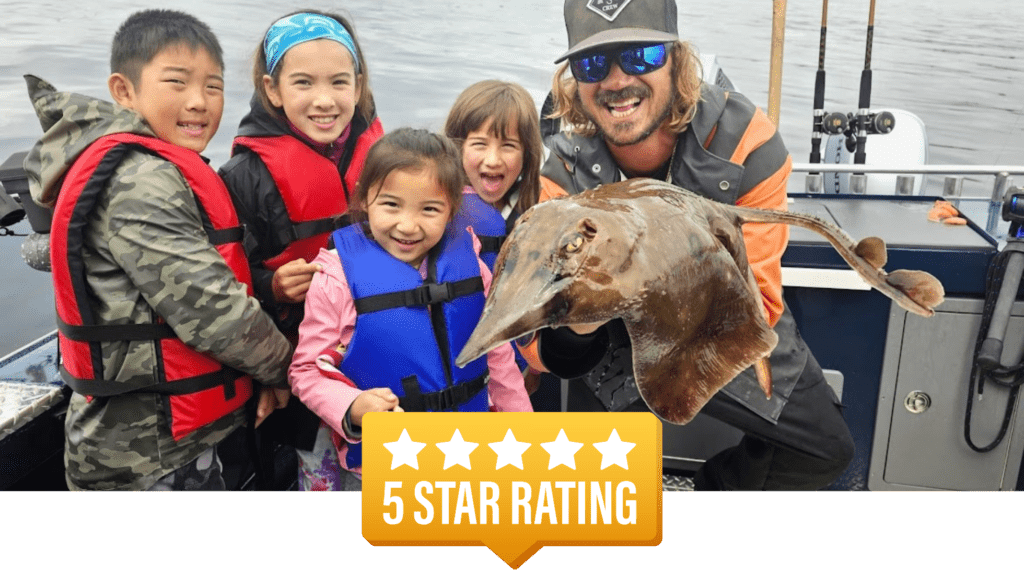
At Ketchikan Fishing Company, we are proud to be owned and operated by Ketchikan Wildlife Tours & Ketchikan Finest Fishing Charters —the #1 rated salmon and halibut fishing charter in Ketchikan. As a family-owned and locally operated business, we uphold the same commitment to excellence, safety, and customer satisfaction that has made us a trusted name in Ketchikan fishing excursions.
When you book a fishing charter with us, you’re choosing a locally trusted, cruise-friendly company that is dedicated to delivering an authentic Alaskan fishing experience.